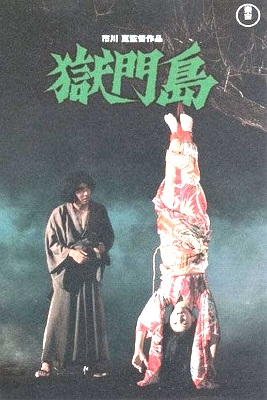
Island of Hell
                                                              

Director: Kon Ichikawa
Year:  1977
Rating: 7.0

Aka - Hells Gate Island

This is the fifth of the Kosuke Kindaichi films directed by Kon Ichikawa and starring Koji Ishizaka that I have seen. They are adaptations of novels by Seishi Yokomizo who wrote some seventy of them with Kindaichi as his shaggy dandruff filled haired slow moving underestimated private detective. They are very popular books and have been adapted into film and TV beyond the Ichikawa films. At least for the films I have seen the mysteries and murders center on an extended dysfunctional family of good standing. Often having to do with who the successor will be when the head of the family dies. When that happens, bodies start dropping. The plots are very complex and Kindaichi slowly unravels it. Slowly enough that by the time he solves it, the bodies are piled high.
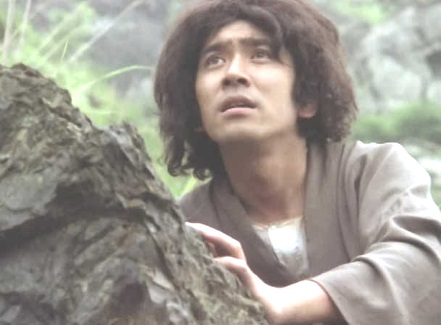


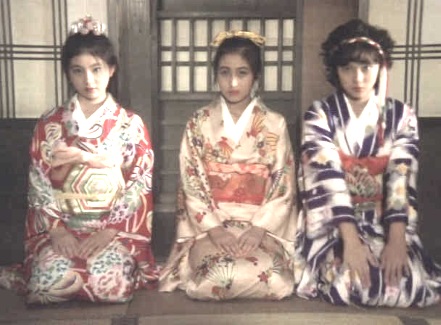
That is again the case here. A friend has asked him to go to the center of the Sea of Japan to a small island called Gokumon aka Hells Gate island to stop murders from occurring. It is a small community, very insular and suspicious of strangers. It is 1946, the war is barely over and families are still receiving death notices of loved ones. The first and second son of the most important family on the island went off to war. The oldest while dying of malaria asked his friend to go to the island and make sure that his three sisters were protected.  This friend in turn asks Kindaichi to go with word that the head of the family is dead. This news sets off the events that follow. Who will lead the family? Who will still be alive? There is a major part of the family and a minor part of the family in terms of status. They hate each other. The family consists of brothers, aunts, cousins, parents and they are all a little off. In particular, the three teenage sisters who giggle and play like six year olds. There is the father that has to be locked up. The mother that spits venom. And many others all with their own agenda and a reason to kill.


Trying to figure out who is who and where they stand in the family is a full time study. Then the murders begin. It is haiku that leads Kindaichi to the killer. But not before more deaths. This is a fine mystery that the viewer has no chance of figuring out. When Kindaichi does, it is very Japanese culturally specific that may seem absurd to Westerners.