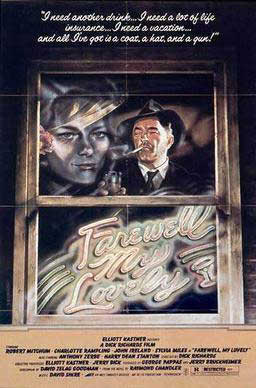
Director: Dick Richards
Year: 1975
Rating: 7.0
Trying to bring noir into contemporary times is always an iffy proposition. It properly belongs in the 1940s and 50s for good reasons. First that was the Golden Age of Noir literature with Hammett, Chandler, Cain, Woolrich, Goodis and Thompson. Most of them first published in the Black Mask magazine before moving on to novels. Much of the literature was spawned from the Great Depression of the 1930s but films didn't catch up till the next decade, first with The Maltese Falcon in 1941. World events drove the popularity of the noir films that followed. The horror of the war, the cynicism that followed and then the paranoia in the 50s from the atomic bomb, Communism and McCarthy. Those were dark times and that was reflected in noir where nothing was what it appeared and betrayals were the currency of the day. They were nearly all shot in black and white, partially as a style of choice but also because the studios thought of them as B pictures and gave them smaller budgets.
One of the earliest and best noirs was the 1944 Murder, My Sweet based on Chandler's second novel, Farewell, My Lovely. The name was changed because the studio worried that the public would think it was a musical. That might also have been because it starred Dick Powell who earlier in his career had been in many of the Busby Berkeley musicals. But he was older and in the second stage of his career as a tough cynical hero. He is great as Chandler's private eye Philip Marlowe. Whether he or Bogart in The Big Sleep was the better Marlowe is hard to say.
The Classical Noir period ended in the late 1950s with Touch of Evil perhaps being the last great one. But noir of course never went away but after the 1950s it was termed Neo Noir. A lot of films are dropped into this bucket that don't belong. Crime and betrayal alone are not noir. It is also style and filming in color took away the shadows, the sense of visual guilt, the paranoia, the darkness, the fatalism. There have been some good ones though - Chinatown, Point Blank, Get Carter, The Long Goodbye, Body Heat. Ones like Body Heat perhaps try too hard to emulate noir while ones like The Long Goodbye attempt to deconstruct noir and Chandler. I think a lot of today's directors and producers drink in classical noir. It was part of their cinematic education.
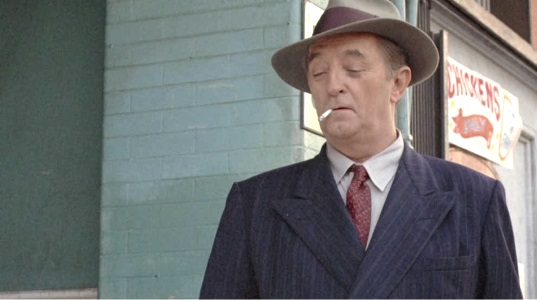
This seems to be the case with producer Elliot Kastner. He had produced Harper (a neo noir of a Ross MacDonald novel) and The Long Goodbye. He wanted to produce another Chandler novel, the same one Murder, My Sweet was based on. Kastner wanted the film set in present times and Richard Burton as Marlowe. Fortunately, neither of these came to pass. The director Dick Richards would only do it if it was set back in the 1940s and Burton was busy. The film is set in 1941 the year Joe DiMaggio broke the record for games with consecutive hits. 56 games. And they got Robert Mitchum for Marlowe. Mitchum was 58 at the time, but in the 1950s he and that dimpled chin of his was pure noir. In the opening scene, he narrates that he is getting old. And is tired. He has that world-weary air about him. But you have to pay the rent and so you keep going, keep getting beat up, keep digging into the dark side of humanity. Nothing surprises you because you have seen it all.
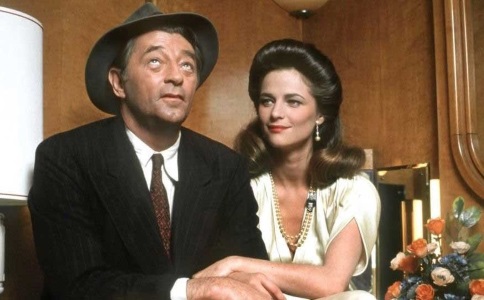
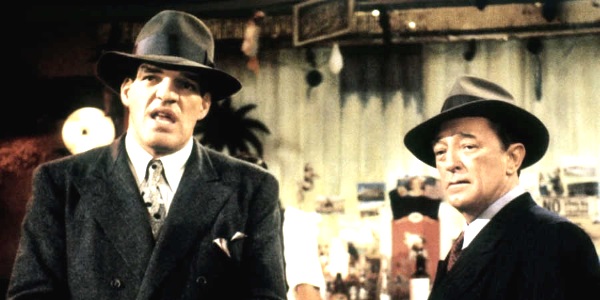
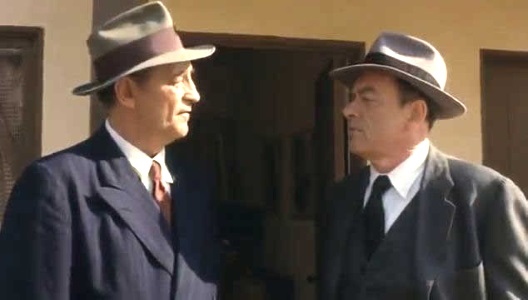
They add as many noir elements as they can find in their treasure chest. The trench coat and fedora, the cigarette dangling dangerously from Marlowe's mouth, the neon, the shot glasses of bourbon, an internal narration filled with enough metaphors to sink a boat and of course the femme fatale. It is a good film, but it never really feels quite authentic. The plot is complicated but nowhere close to the novel. They pare it down, cut out the romantic female character and bring it in at 90-minutes. It begins just as does Murder, My Sweet with Marlowe laying out the story to the cops. It began with a mountain of a man (Jack O'Halloran an ex-boxer in his debut) asking him to find Velma. The woman he has loved for his seven years in the pen. The bodies begin to pile up. A good cast - Charlotte Rampling as the wealthy woman who should come with a warning label (though I miss Claire Trevor as I did Mike Muzurki as Moose Malone), John Ireland as the cop, Sylvia Miles as the drunken floozy, Anthony Zerbe, Harry Dean Stanton, Sylvester Stallone as a thug and none other than noir writer Jim Thompson as the elderly husband of Rampling. The film was profitable enough that three years later they returned with The Big Sleep in which they do everything wrong.
Year: 1975
Rating: 7.0
Trying to bring noir into contemporary times is always an iffy proposition. It properly belongs in the 1940s and 50s for good reasons. First that was the Golden Age of Noir literature with Hammett, Chandler, Cain, Woolrich, Goodis and Thompson. Most of them first published in the Black Mask magazine before moving on to novels. Much of the literature was spawned from the Great Depression of the 1930s but films didn't catch up till the next decade, first with The Maltese Falcon in 1941. World events drove the popularity of the noir films that followed. The horror of the war, the cynicism that followed and then the paranoia in the 50s from the atomic bomb, Communism and McCarthy. Those were dark times and that was reflected in noir where nothing was what it appeared and betrayals were the currency of the day. They were nearly all shot in black and white, partially as a style of choice but also because the studios thought of them as B pictures and gave them smaller budgets.
One of the earliest and best noirs was the 1944 Murder, My Sweet based on Chandler's second novel, Farewell, My Lovely. The name was changed because the studio worried that the public would think it was a musical. That might also have been because it starred Dick Powell who earlier in his career had been in many of the Busby Berkeley musicals. But he was older and in the second stage of his career as a tough cynical hero. He is great as Chandler's private eye Philip Marlowe. Whether he or Bogart in The Big Sleep was the better Marlowe is hard to say.
The Classical Noir period ended in the late 1950s with Touch of Evil perhaps being the last great one. But noir of course never went away but after the 1950s it was termed Neo Noir. A lot of films are dropped into this bucket that don't belong. Crime and betrayal alone are not noir. It is also style and filming in color took away the shadows, the sense of visual guilt, the paranoia, the darkness, the fatalism. There have been some good ones though - Chinatown, Point Blank, Get Carter, The Long Goodbye, Body Heat. Ones like Body Heat perhaps try too hard to emulate noir while ones like The Long Goodbye attempt to deconstruct noir and Chandler. I think a lot of today's directors and producers drink in classical noir. It was part of their cinematic education.
This seems to be the case with producer Elliot Kastner. He had produced Harper (a neo noir of a Ross MacDonald novel) and The Long Goodbye. He wanted to produce another Chandler novel, the same one Murder, My Sweet was based on. Kastner wanted the film set in present times and Richard Burton as Marlowe. Fortunately, neither of these came to pass. The director Dick Richards would only do it if it was set back in the 1940s and Burton was busy. The film is set in 1941 the year Joe DiMaggio broke the record for games with consecutive hits. 56 games. And they got Robert Mitchum for Marlowe. Mitchum was 58 at the time, but in the 1950s he and that dimpled chin of his was pure noir. In the opening scene, he narrates that he is getting old. And is tired. He has that world-weary air about him. But you have to pay the rent and so you keep going, keep getting beat up, keep digging into the dark side of humanity. Nothing surprises you because you have seen it all.
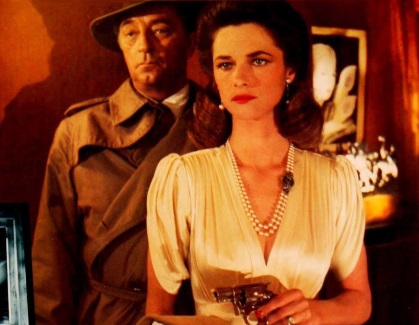
They add as many noir elements as they can find in their treasure chest. The trench coat and fedora, the cigarette dangling dangerously from Marlowe's mouth, the neon, the shot glasses of bourbon, an internal narration filled with enough metaphors to sink a boat and of course the femme fatale. It is a good film, but it never really feels quite authentic. The plot is complicated but nowhere close to the novel. They pare it down, cut out the romantic female character and bring it in at 90-minutes. It begins just as does Murder, My Sweet with Marlowe laying out the story to the cops. It began with a mountain of a man (Jack O'Halloran an ex-boxer in his debut) asking him to find Velma. The woman he has loved for his seven years in the pen. The bodies begin to pile up. A good cast - Charlotte Rampling as the wealthy woman who should come with a warning label (though I miss Claire Trevor as I did Mike Muzurki as Moose Malone), John Ireland as the cop, Sylvia Miles as the drunken floozy, Anthony Zerbe, Harry Dean Stanton, Sylvester Stallone as a thug and none other than noir writer Jim Thompson as the elderly husband of Rampling. The film was profitable enough that three years later they returned with The Big Sleep in which they do everything wrong.