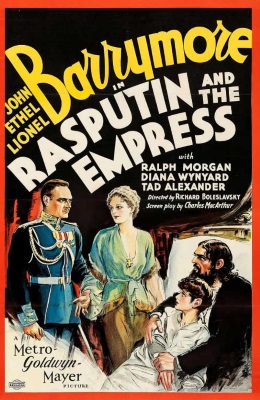
Director: Richard
Boleslawski
Year: 1932
Rating: 5.5
MGM and Irving Thalberg heap on the glamor and melodrama in this film about the final years of the Romanov Dynasty. It begins in 1913 with the celebration of their 300th year in power and ends rather shockingly with their abrupt execution in 1918. The portrait of the family is very sympathetic - you would have to wonder why the Russians overthrew this kindly family if you knew nothing about history. Of course, what came after was even worse but in 1932 the terror under Stalin was little known in the West and large segments of the Hollywood Left thought he was creating a Utopia. But the director of the film, Richard Boleslawski, had been born in Russia, served in the Russian army during WWI and had left the country after the Revolution. So, he no doubt had his own perspective. Much of the film revolves around the influence of the mystic and wandering monk Rasputin and though the film is overblown and the dialogue often falls into purple prose - the basic gist of the history is correct.
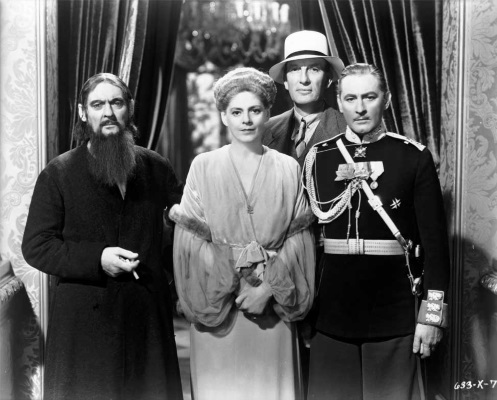
Thalberg manages to bring on the Barrymore's - the only film in which all three of them - John, Lionel and Ethel - appear together. They were Hollywood royalty. The First Family of acting. Their roots in the acting profession reached back to the 1700s - and every generation followed on the stage. Their father had been a well-known stage actor and the three children followed him - first having success in theater and then in film. Lionel gets the meaty role of Rasputin, Ethel (who Winston Churchill had proposed to) in her sound debut is the Empress and a dissolute looking John plays the fictional Prince Chegodieff. Having them all in the same film was a big deal, but even so the film lost money. For a good reason. It isn't very good. The ornate sets and costumes with some well-placed stock footage of huge crowds and marching soldiers give the film a sense of epic grandeur, but after a wonderful beginning of the celebration, it basically turns into a rather seedy tepid family drama in which the Royal family are all weak willed, not all that smart and easily fooled.
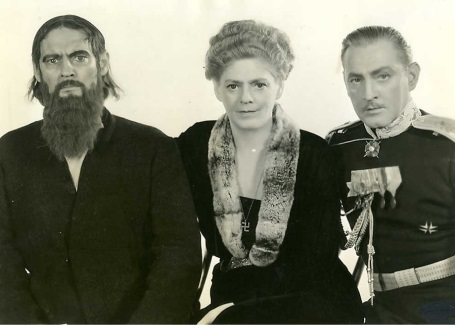
The Empress, born into a German noble family, was the granddaughter of Queen Victoria and had been a favorite of hers. She had wanted Alexandra to marry one of her grandsons - Eddie (who has been theorized to have been Jack the Ripper) or George who later became King. She declined. Big mistake as it turned out in 1918. In her DNA pool was hemophilia that she got from Victoria's side and which was spread through the European royalty after Victoria parceled her family out in beneficial marriages. Not that this stopped WWI. The Empress passed it on to her only son, Alexei and on occasion he came near to death with internal bleeding. To his rescue comes the dirty, wild-eyed, bearded Rasputin who is still a mystery to this day. He clearly had a dominant personality that drew people to him and he was able to stop the boy from dying - much to the surprise of the medical profession. In the film, he does it through hypnotism - but in one real life occasion, he did it from hundreds of miles away through positive prayer or something.
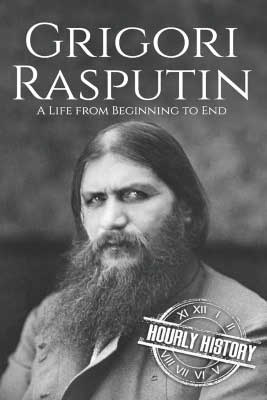
Lionel plays Rasputin as purely evil – mad, ferocious, conniving, salacious and utterly ambitious. Most historical information backs that up. He gained such influence within the Royal family that he was able to gain increasing power over appointments and policy. In the film, he sees himself as the real Czar of Russia. The only character in the film who opposes Rasputin is Prince Chegodieff (John Barrymore) whose love has fallen under the influence of the Mad Monk. The character of the girlfriend, Natasha (Diana Wynyard) was apparently modeled after a real person – Princess Irina Yusupov – and in the original cut of the film, she is implied to be raped by Rasputin. She sued the studio and won. MGM took the film out of circulation for decades, edited out the rape scene and began the rule of the disclaimer up front in films that all characters are fictional. It was Irina’s husband who assassinated Rasputin in 1916.
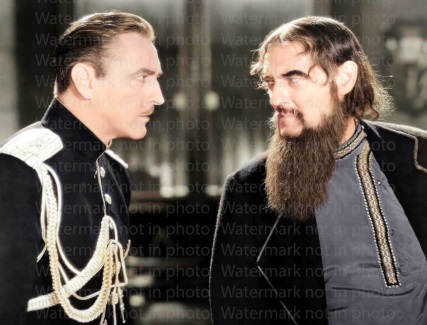
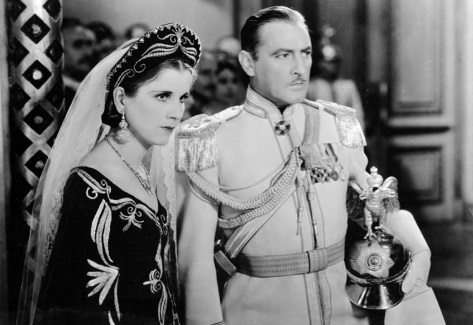
In the film it is the Prince and John Barrymore seemed to take delight in killing his brother Lionel in an insane scene in which Rasputin won’t die from poison, bullets, strangulation. The two brothers had recently reconciled from a two-year falling out and Lionel thought that John was trying to hog their scenes together. It might seem like over kill but the real assassination was as crazy. The husband Yusupov first poisoned Rasputin but it had no effect, so he shot him three times and left thinking Rasputin was dead. But right out of a horror film, when he returned Rasputin jumped him and he had to shoot him again, take him to a bridge and throw him in the freezing water. Rasputin was dead. But so soon was Russia.
Year: 1932
Rating: 5.5
MGM and Irving Thalberg heap on the glamor and melodrama in this film about the final years of the Romanov Dynasty. It begins in 1913 with the celebration of their 300th year in power and ends rather shockingly with their abrupt execution in 1918. The portrait of the family is very sympathetic - you would have to wonder why the Russians overthrew this kindly family if you knew nothing about history. Of course, what came after was even worse but in 1932 the terror under Stalin was little known in the West and large segments of the Hollywood Left thought he was creating a Utopia. But the director of the film, Richard Boleslawski, had been born in Russia, served in the Russian army during WWI and had left the country after the Revolution. So, he no doubt had his own perspective. Much of the film revolves around the influence of the mystic and wandering monk Rasputin and though the film is overblown and the dialogue often falls into purple prose - the basic gist of the history is correct.
Thalberg manages to bring on the Barrymore's - the only film in which all three of them - John, Lionel and Ethel - appear together. They were Hollywood royalty. The First Family of acting. Their roots in the acting profession reached back to the 1700s - and every generation followed on the stage. Their father had been a well-known stage actor and the three children followed him - first having success in theater and then in film. Lionel gets the meaty role of Rasputin, Ethel (who Winston Churchill had proposed to) in her sound debut is the Empress and a dissolute looking John plays the fictional Prince Chegodieff. Having them all in the same film was a big deal, but even so the film lost money. For a good reason. It isn't very good. The ornate sets and costumes with some well-placed stock footage of huge crowds and marching soldiers give the film a sense of epic grandeur, but after a wonderful beginning of the celebration, it basically turns into a rather seedy tepid family drama in which the Royal family are all weak willed, not all that smart and easily fooled.
The Empress, born into a German noble family, was the granddaughter of Queen Victoria and had been a favorite of hers. She had wanted Alexandra to marry one of her grandsons - Eddie (who has been theorized to have been Jack the Ripper) or George who later became King. She declined. Big mistake as it turned out in 1918. In her DNA pool was hemophilia that she got from Victoria's side and which was spread through the European royalty after Victoria parceled her family out in beneficial marriages. Not that this stopped WWI. The Empress passed it on to her only son, Alexei and on occasion he came near to death with internal bleeding. To his rescue comes the dirty, wild-eyed, bearded Rasputin who is still a mystery to this day. He clearly had a dominant personality that drew people to him and he was able to stop the boy from dying - much to the surprise of the medical profession. In the film, he does it through hypnotism - but in one real life occasion, he did it from hundreds of miles away through positive prayer or something.
Lionel plays Rasputin as purely evil – mad, ferocious, conniving, salacious and utterly ambitious. Most historical information backs that up. He gained such influence within the Royal family that he was able to gain increasing power over appointments and policy. In the film, he sees himself as the real Czar of Russia. The only character in the film who opposes Rasputin is Prince Chegodieff (John Barrymore) whose love has fallen under the influence of the Mad Monk. The character of the girlfriend, Natasha (Diana Wynyard) was apparently modeled after a real person – Princess Irina Yusupov – and in the original cut of the film, she is implied to be raped by Rasputin. She sued the studio and won. MGM took the film out of circulation for decades, edited out the rape scene and began the rule of the disclaimer up front in films that all characters are fictional. It was Irina’s husband who assassinated Rasputin in 1916.
In the film it is the Prince and John Barrymore seemed to take delight in killing his brother Lionel in an insane scene in which Rasputin won’t die from poison, bullets, strangulation. The two brothers had recently reconciled from a two-year falling out and Lionel thought that John was trying to hog their scenes together. It might seem like over kill but the real assassination was as crazy. The husband Yusupov first poisoned Rasputin but it had no effect, so he shot him three times and left thinking Rasputin was dead. But right out of a horror film, when he returned Rasputin jumped him and he had to shoot him again, take him to a bridge and throw him in the freezing water. Rasputin was dead. But so soon was Russia.