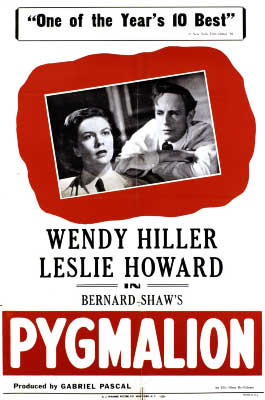
Director: Anthony Asquith
Year: 1938
Rating: 7.5
Ever since Pygmalion premiered in 1913, George Bernard Shaw fought to keep his play from having a happy ending. He thought by having one it made much of his message in the play pointless. Female emancipation. Independence. And he is right. How in 2024, can we root for Eliza to end up with Henry Higgins? He is a sniggering sexless superior ass who would be hell to live with. Not that she should marry the dim-witted dull Freddy but to stay with Higgins would be torture. A never-ending torrent of insults and belittling. Well, Shaw who was still alive lost here and in truth one is glad he did. The happy ending feels right. Even if it is wrong. At least he is age appropriate as opposed to Harrison and Hepburn years later. Two unbending souls will fight it out over the years but will enjoy the fight, the challenge. Get, your own damn slippers Henry Higgins.
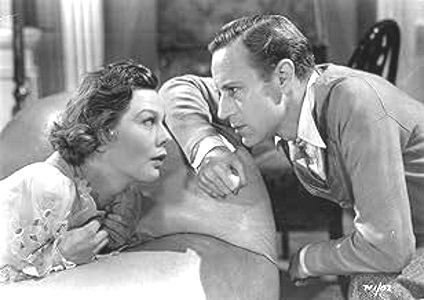
There are a few adaptations of the play to the small and big screen, but this one is easily considered the best (non-musical anyways). Still, when they start talking about the rain in Spain or I have grown accustomed to your face, it is near impossible to not start singing the Lerner and Loewe songs that incorporated some of the dialogue into the music. The British are always best at adapting the British classics - they don't take a lot of liberties and pick some great actors. Leslie Howard is perfect as the pompous unfeeling professor. I like him a lot in certain roles like the Scarlett Pimpernel, Pimpernel Smith and Berkeley Square and yet he irritates me in other films such as The Petrified Forest, Of Human Bondage and Gone with the Wind where he is an insufferable weakling.
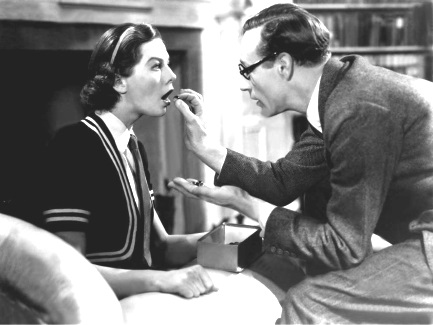
In only her second film, Wendy Hiller pulls off a very tough role - not just the accents but the strength and confidence that slowly ekes into her soul with that wonderful triumphant look at the end. All the other characters too - special shout out to Scott Sunderland as Col. Pickering in his debut and who was only to appear in one other film - Goodbye, Mr. Chips. Shaw wrote a brilliant play that touched on class and gender inequality well before it was popular to do so. But he does it with wit and gentility and so over a hundred years later, it still moves us and makes us think.
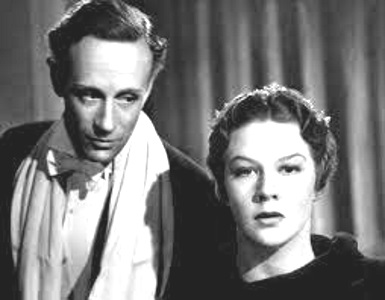
Year: 1938
Rating: 7.5
Ever since Pygmalion premiered in 1913, George Bernard Shaw fought to keep his play from having a happy ending. He thought by having one it made much of his message in the play pointless. Female emancipation. Independence. And he is right. How in 2024, can we root for Eliza to end up with Henry Higgins? He is a sniggering sexless superior ass who would be hell to live with. Not that she should marry the dim-witted dull Freddy but to stay with Higgins would be torture. A never-ending torrent of insults and belittling. Well, Shaw who was still alive lost here and in truth one is glad he did. The happy ending feels right. Even if it is wrong. At least he is age appropriate as opposed to Harrison and Hepburn years later. Two unbending souls will fight it out over the years but will enjoy the fight, the challenge. Get, your own damn slippers Henry Higgins.
There are a few adaptations of the play to the small and big screen, but this one is easily considered the best (non-musical anyways). Still, when they start talking about the rain in Spain or I have grown accustomed to your face, it is near impossible to not start singing the Lerner and Loewe songs that incorporated some of the dialogue into the music. The British are always best at adapting the British classics - they don't take a lot of liberties and pick some great actors. Leslie Howard is perfect as the pompous unfeeling professor. I like him a lot in certain roles like the Scarlett Pimpernel, Pimpernel Smith and Berkeley Square and yet he irritates me in other films such as The Petrified Forest, Of Human Bondage and Gone with the Wind where he is an insufferable weakling.
In only her second film, Wendy Hiller pulls off a very tough role - not just the accents but the strength and confidence that slowly ekes into her soul with that wonderful triumphant look at the end. All the other characters too - special shout out to Scott Sunderland as Col. Pickering in his debut and who was only to appear in one other film - Goodbye, Mr. Chips. Shaw wrote a brilliant play that touched on class and gender inequality well before it was popular to do so. But he does it with wit and gentility and so over a hundred years later, it still moves us and makes us think.